Need Help?
+62 878-4687-7348
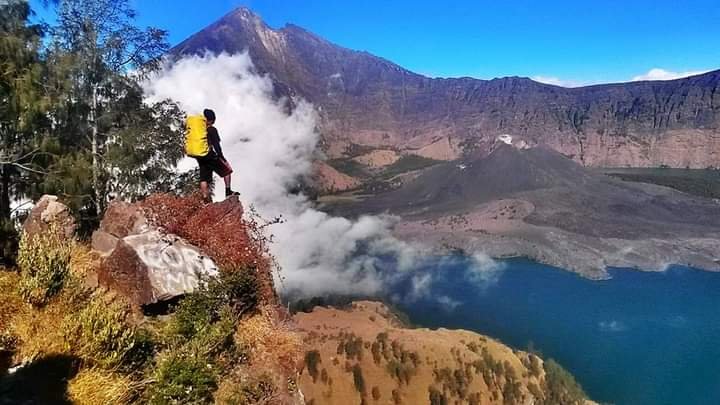
Conquering the second-highest volcano in Indonesia is no small feat. Rising to 3,726 meters, the trek demands more than just physical stamina; it requires local expertise and seamless logistics. This is where the Mount Rinjani trekking guides and porters become the unsung heroes of your journey.
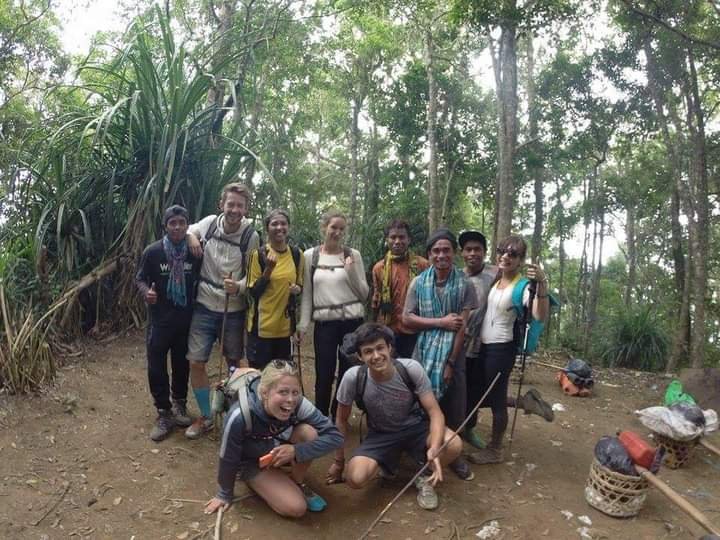
A professional Rinjani guide is far more than a trail leader. They are certified experts trained in mountain safety, first aid, and weather patterns. Navigating the steep, volcanic scree of the summit ridge or the shifting paths of the Senaru forest requires a keen eye that only years of experience can provide.
Expert Navigation: Ensuring you stay on the safest paths, especially during midnight summit pushes.
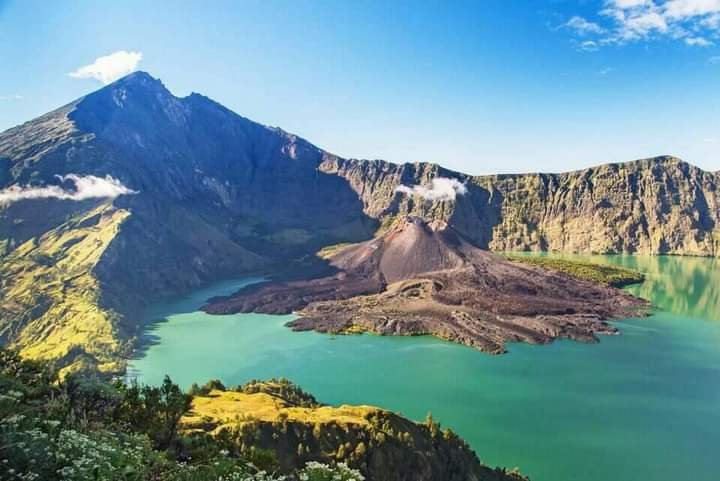
Cultural Insight: Sharing the sacred myths of Segara Anak lake and the spiritual significance of the mountain to the Sasak people.
Pacing & Motivation: A great guide understands "Pole-Pole" (the slow and steady mantra), ensuring you reach the peak without burnout.
If the guide is the compass, the Rinjani porters are the engine. These incredible locals carry up to 25–30kg of equipment on bamboo poles across their shoulders, often in sandals or even barefoot.
Their role is pivotal to a "deluxe" or comfortable trekking experience:
Camp Logistics: They arrive at the campsite hours before you to set up tents and latrines.
Mountain Cuisine: Using fresh ingredients, they prepare hot, multi-course meals (from Nasi Goreng to banana pancakes) at high altitudes.
Heavy Lifting: They carry all communal gear, including sleeping bags, mattresses, cooking gas, and water supplies, allowing you to hike with only a small daypack.
Hiring a licensed Rinjani guide and porter is not just about convenience—it is a mandatory regulation by the Rinjani National Park (TNGR) for safety. More importantly, it is a form of sustainable tourism. Your trekking fees directly support the local economies of Senaru and Sembalun villages, providing vital income for hundreds of families.
To ensure a fair and respectful relationship with your mountain crew, consider the following:
Fair Wages: Ensure your trekking organizer pays a fair base rate.
The Tip: While not mandatory, tipping is a standard gesture of gratitude. A common practice is to pool tips from the group at the end of the trek.
Environmental Stewardship: Both guides and porters are now increasingly involved in "Pack In, Pack Out" programs to keep Rinjani clean.
.png)